|
change
|CONTACT US

Articles

Powering nuclear’s future with HIP technology
Laser inspection of a PM-HIP capsule (Source: Bodycote)

Powering nuclear’s future with HIP technology

Advanced production techniques such as Hot Isostatic Pressing can help reduce supply chain bottlenecks and unlock new design possibilities in a rapidly-expanding nuclear sector, says Ian Tough, Market Development Manager, BodycoteNuclear power plays a critical role in modern energy networks, providing reliable baseload electricity with zero carbon emissions at the point of source. As global…

read more
650 433 jim
Why Heat Treatment Partnerships Matter in Aerospace
Front view of a large commercial aeroplane approaching to land with landing gear deployed and both engines visible against a clear sky.

Why Heat Treatment Partnerships Matter in Aerospace

Aerospace OEMs and Tier 1 suppliers are increasingly turning to specialist heat treatment and surface finishing partners for rapid and scalable support across the New Product Introduction lifecycle, says Vanessa Pfeiffer, Director Strategic Market Development Aerospace, Defence & EnergyAerospace manufacturers are under growing pressure to scale new platforms without compromising quality, capacity, traceability, cost control…

read more
2560 1707 jim
A more resilient future
Increasingly, OEMs and Tier 1 suppliers are adopting a more collaborative approach

A more resilient future

Eric Hutton – Bodycote’s SVP operations and global technology advisor aerospace, defence and energy, explains how integrating thermal processing within a coordinated, locally delivered network can reduce supply chain risk for aerospace programmes.Recent disruptions to global shipping routes have highlighted the vulnerability of international logistics, but a significant source of aerospace supply chain risk lies…

read more
1024 683 jim
Unlocking the nuclear supply chain with HIP
Three large vertical cylindrical tanks, safety railings, metal enclosure and overhead pipes in a brightly lit factory with white walls.

Unlocking the nuclear supply chain with HIP

As new nuclear build projects face serious supply chain constraints, Hot Isostatic Pressing (HIP) may be the breakthrough manufacturing solution for faster, safer, and at scale components THE CLEAN ENERGY TRANSITION HAS thrust nuclear back into the spotlight. But delivering new reactors on time and within budget remains elusive. One key issue? The manufacturing supply…

read more
1762 1175 jim
Bodycote is leading its sector in the transition to low carbon heat treatment
Bodycote industrial building with logo and rooftop solar panels, parked cars, and nearby structures under a hazy sky.

Bodycote is leading its sector in the transition to low carbon heat treatment

The race to decarbonise our energy-intensive industries no longer a distant goal—it’s a business imperative. The UK’s 

read more
2560 1920 jim
The effects of low temperature carbon diffusion on stainless steel
Water droplets scattered on reflective stainless steel with a cool blue tint, each droplet highlighting fine surface detail.

The effects of low temperature carbon diffusion on stainless steel

Stainless steels along with nickel based alloys are often selected for many applications in corrosive environments. While resistance to corrosion makes them a favourable choice, poor tribological behaviour may prevent a broader use of these materials. The Kolsterising® process is a proven method for the surface hardening of these materials by the diffusion of carbon.…

read more
2362 2496 jim
Embracing green manufacturing -The environmental advantages of low pressure carburising over traditional carburising techniques
Interior of a large industrial machine with a basket of circular metal parts under bright light; background shows nozzles and circular frame.

Embracing green manufacturing -The environmental advantages of low pressure carburising over traditional carburising techniques

Introduction As industries worldwide continue to prioritise sustainability and environmental responsibility, innovative manufacturing techniques that minimise environmental impact are increasingly in demand. In the field of heat treatment, low pressure carburising (LPC) offers significant environmental advantages over traditional carburising techniques. This article will explore the benefits of LPC and how it contributes to a greener, more…

read more
2250 1500 jim
Enhancing the food and beverage industry with Kolsterising®
Automated machine fills brown glass bottles on a production line with visible pipes, gauges, and metal components.

Enhancing the food and beverage industry with Kolsterising®

Introduction The food and beverage industry requires high-performance materials to withstand the demanding processing conditions and maintain strict hygiene standards. Kolsterising® is a unique surface hardening technology developed by Bodycote, specifically designed to enhance the properties of stainless steel. This article will explore the advantages of Kolsterising® and its application in the food and beverage…

read more
1925 1100 jim
HVOF: A REACH-compliant alternative to hexavalent chrome with environmental benefits
Front view of a commercial aeroplane on an airport runway, showing the nose, landing gear, and HVOF-coated engines under blue sky.

HVOF: A REACH-compliant alternative to hexavalent chrome with environmental benefits

  Hexavalent chrome, also known as chromium (VI), has been widely used in various industries for its exceptional corrosion resistance and durability. However, its toxic nature poses significant risks to human health and the environment. To address these concerns, High-Velocity Oxygen Fuel (HVOF) coatings technology has emerged as a REACH-compliant alternative, offering performance that exceeds customer requirements…

read more
1925 1100 jim
Questions and answers concerning cavitation erosion
Metal surface with circular grooves and wear; two red arrows indicate rough areas marked as cavitation erosion.

Questions and answers concerning cavitation erosion

What is cavitation erosion? Cavitation erosion is an effect of surface deterioration and surface material loss, mostly in hydraulic machinery and the associated components. Pressure differences in high-velocity liquids can cause vapor or gas pockets, which collapse abruptly on the surface of the material due to the pressure change near the surface. These exploding gas…

read more
960 521 jim
Salt bath nitriding: environmental concerns and sustainable alternatives
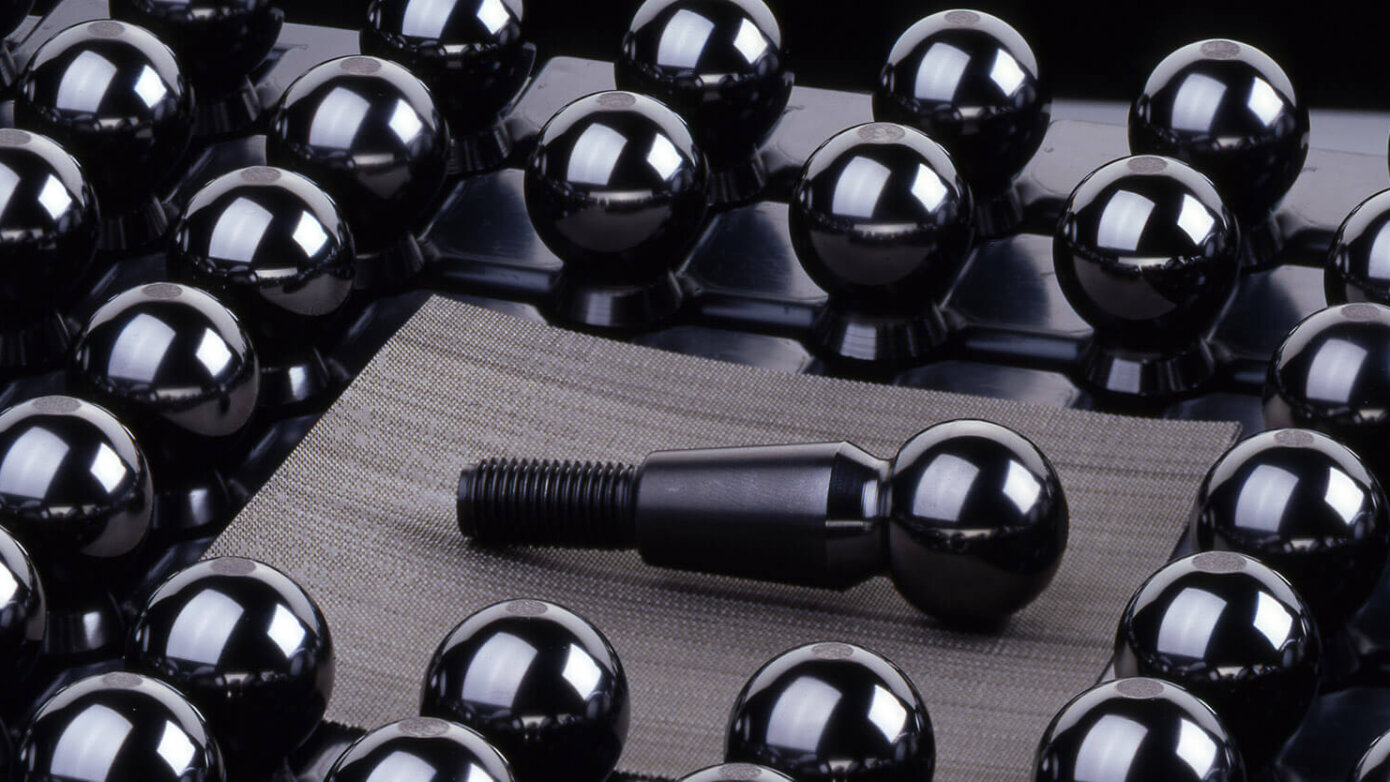
Shiny black metal ball bearings on a textured surface encircle a central ball stud with a threaded end, lying flat.

Salt bath nitriding: environmental concerns and sustainable alternatives

Salt bath nitriding has long been a popular surface treatment process in the metalworking industry, primarily used to enhance wear resistance, corrosion protection, fatigue strength and a cosmetic black finish. The process typically involves immersing components in a molten salt bath containing a mixture of alkali cyanides, cyanites, carbonates, and other nitrogenous compounds. This treatment…

read more
1920 834 [email protected]
How can we ensure 3D printed metal parts are service ready for critical applications?
3D printed metal part with curved, angular surfaces on a build platform inside a printer, surrounded by metallic components.

How can we ensure 3D printed metal parts are service ready for critical applications?

Once a 3D printed metal part is produced, the component is often far from ready to be used for its intended purpose, particularly applications in safety-critical industries with stringent quality standards such as aerospace, medical, energy and automotive. As-built metal parts can contain microstructure defects and material porosity that may be created during the additive…

read more
2560 1709 jim
Why use Electron Beam Welding to join metals?
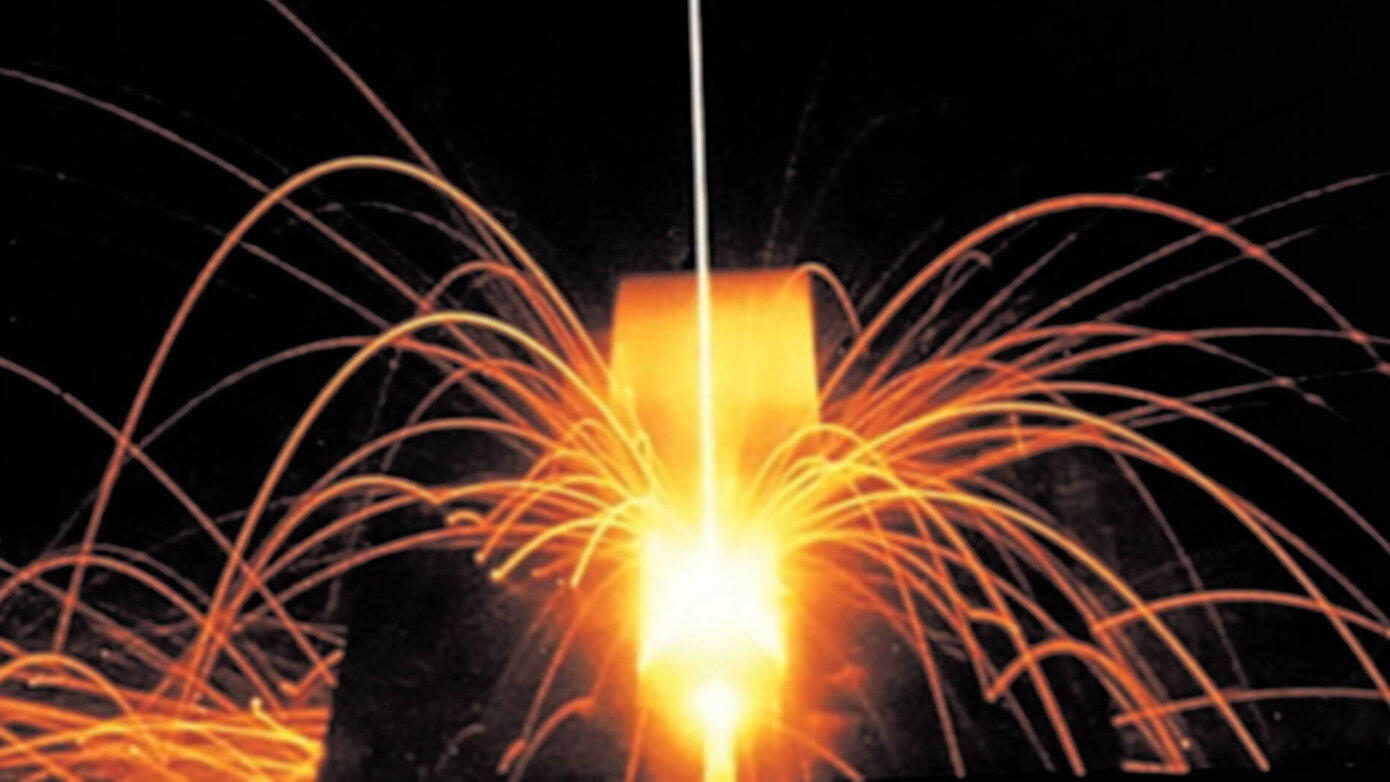
Orange sparks radiate from a bright centre during electron beam welding, with intense light against a dark background.

Why use Electron Beam Welding to join metals?

Electron beam welding (EBW) is a fusion welding process that uses a beam of high velocity electrons to produce a high integrity weld. A concentrated beam of high energy electrons impinges upon the surfaces of the materials to be welded and produces an enormous amount of heat, which melts and joins the two materials. The…

read more
1920 1056 jim
What is ion implantation?
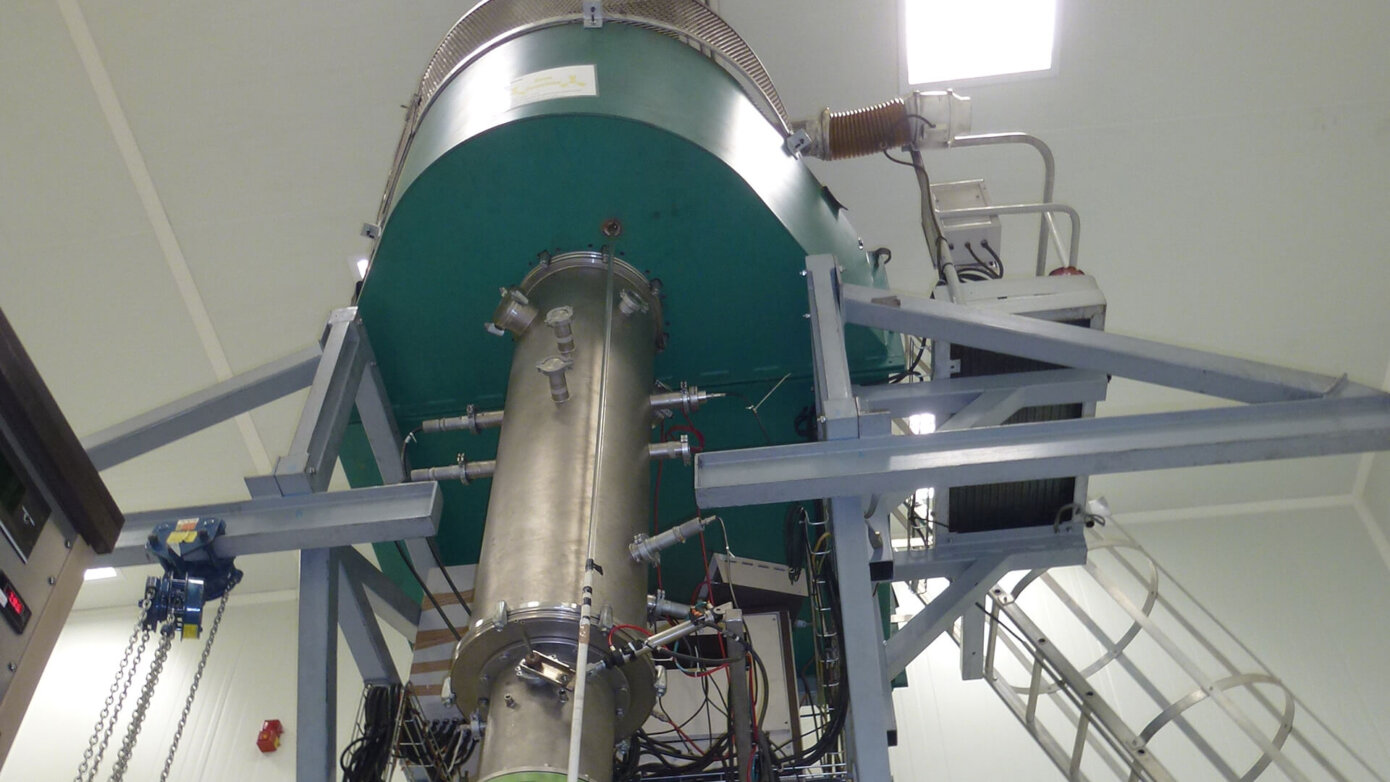
Cylindrical metal heat treatment chamber on sturdy steel frame, viewed from below, with attached wires, pipes and control units.

What is ion implantation?

Historically, the first ion implanter was helium based, constructed and operated in 1911 at Cavendish Laboratory in Cambridge by Ernest Rutherford and his students. In 1949, Shockley filed for a patent, “Semiconductor Translating Device” describing the p-n junction fabrication using ion implantation. In 1954, he filed another patent, “Forming of Semiconductor Devices by Ionic Bombardment”…

read more
1920 1124 jim
Why is there some degree of porosity in most metal alloy castings?
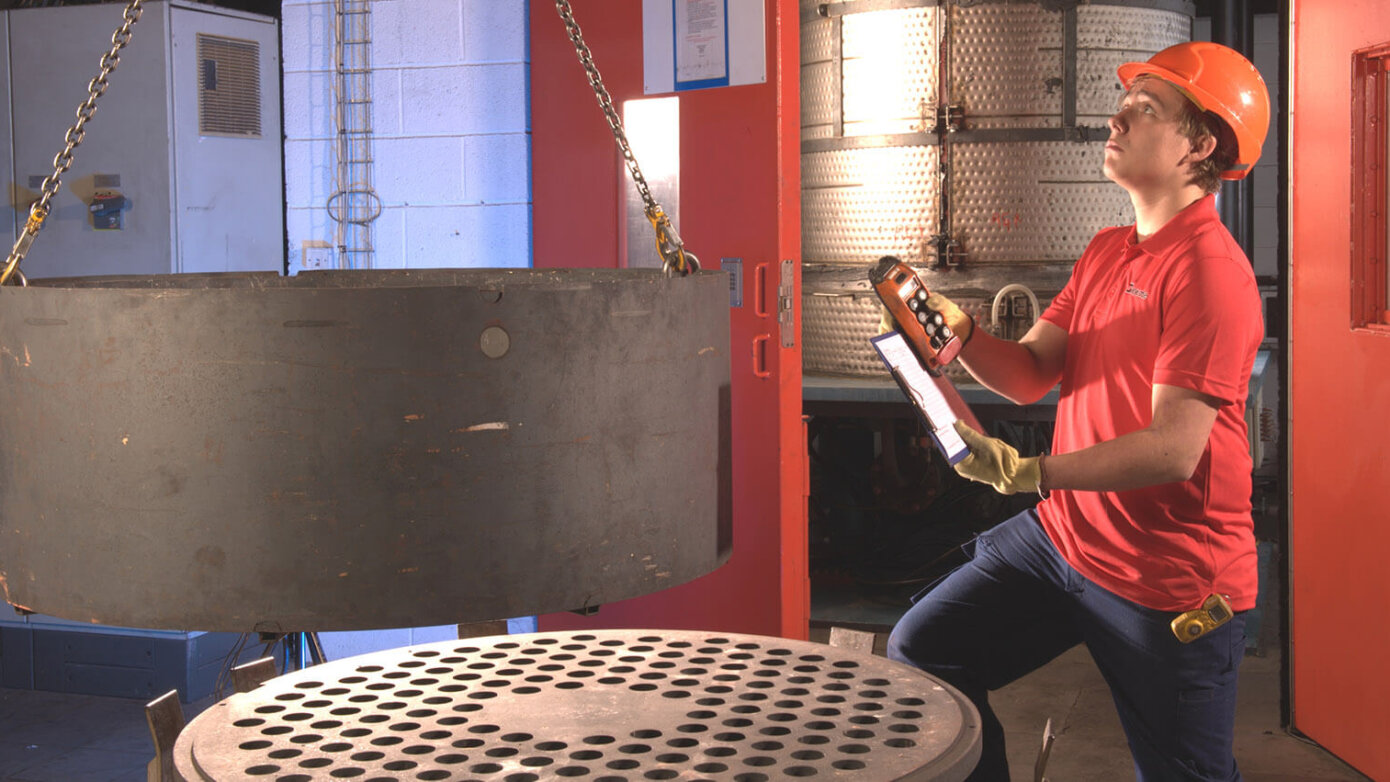
Worker in safety gear uses a hoist to lift a metal alloy part in an industrial facility; clipboard, remote, and red doors visible.

Why is there some degree of porosity in most metal alloy castings?

The process by which molten metal freezes in a shaped casting is a complex process.  The first metal to freeze at the mold’s surface is typically fine grained and dense due to chilling from the mold surface.  As molten metal solidifies, it shrinks.  To If sufficient liquid metal is not delivered to the solidification front, pores will form. …

read more
1920 851 jim
The frequently asked questions of Kolsterising®
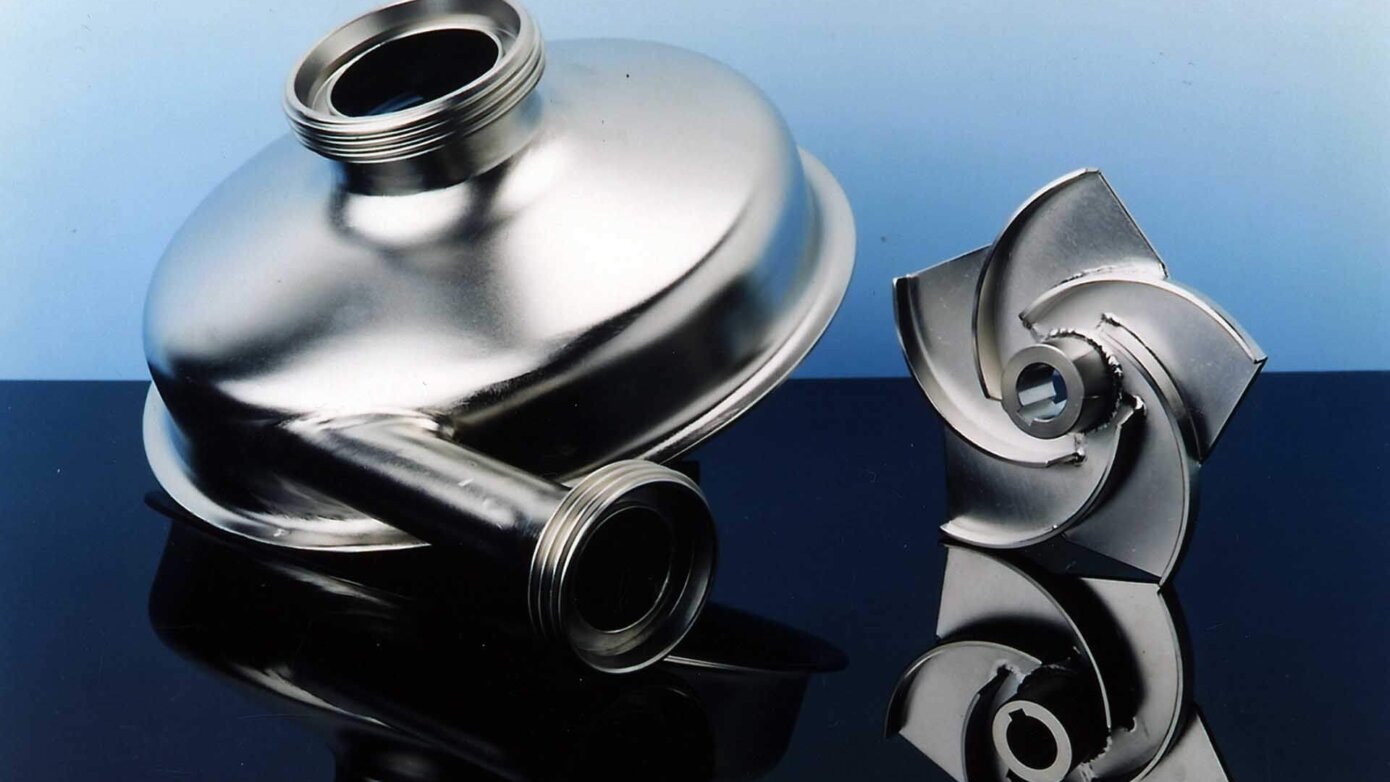
Stainless steel pump casing and metal impeller with curved blades treated by Kolsterising on a black reflective surface, blue gradient background.

The frequently asked questions of Kolsterising®

Articles The frequently asked questions of Kolsterising® Kolsterising®, proprietary to Bodycote, is a technology that greatly improves the mechanical properties of corrosion-resistant materials. Some of the more commonly asked questions from our customers are answered below. Conventional heat treatments, such as nitriding or nitrocarburising will negatively impact the corrosion resistant properties of stainless steel alloys. Unlike conventional treatments,…

read more
1920 1429 jim
What is galling?
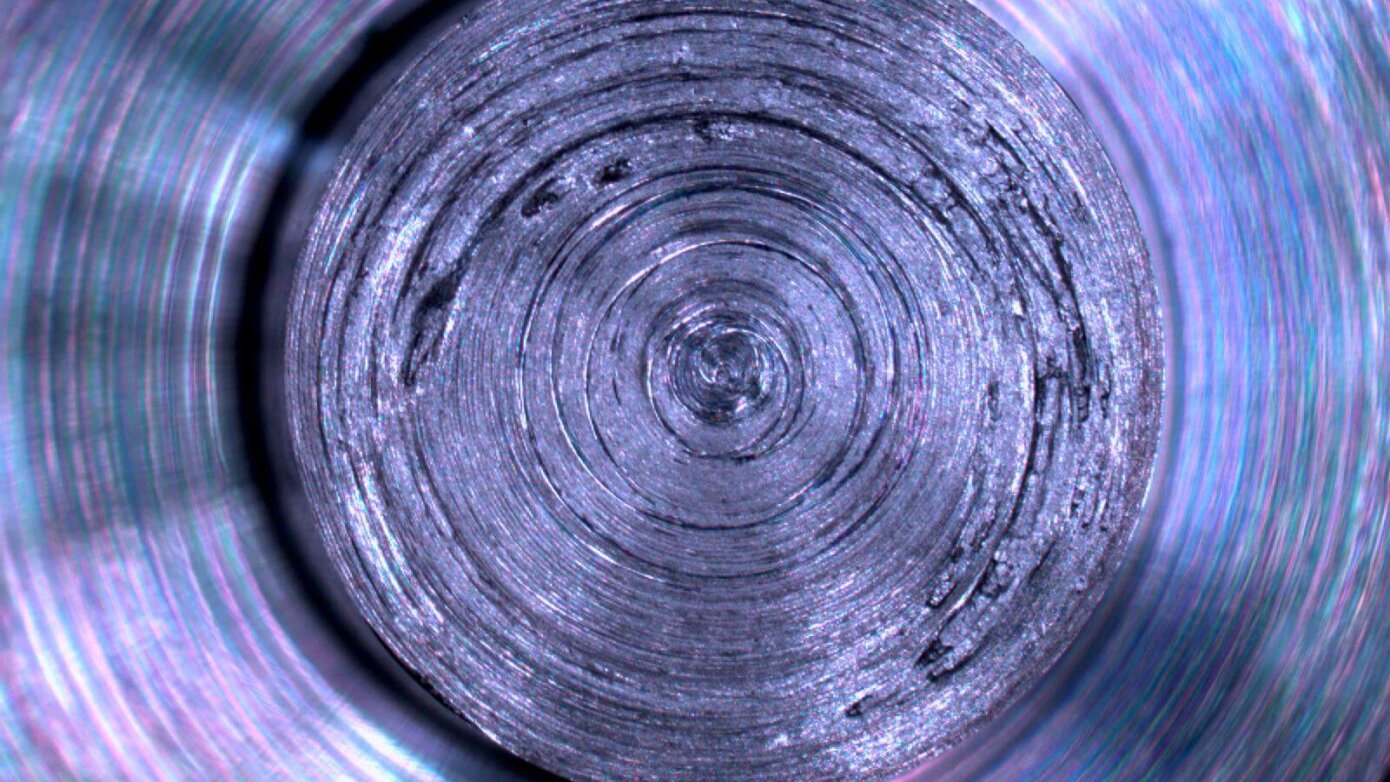
Concentric circular grooves on a metallic part surface, rough texture with bluish and purple iridescence under magnified view.

What is galling?

Galling is a type of mechanical wear caused by a combination of friction and adhesion between sliding surfaces typically under a compressive load.   It is the result of tearing and slipping of the crystal structure at the surface once the protective chromium oxide layer has worn away.  Further mechanical forces cause the material to become…

read more
1600 1200 jim
How does one achieve optimum results with Corr-I-Dur®?
Shiny black metal ball bearings on a textured surface encircle a central ball stud with a threaded end, lying flat.

How does one achieve optimum results with Corr-I-Dur®?

The achievable surface hardness mainly depends on the base material. Alloying elements such as chrome and aluminium lead to higher hardness. The Nitriding depth depends on customer requirements. Also the component’s condition at delivery, i.e. distortion, heat treatment status also affect the layer parameter to be achieved. Dimensional changes can further be positively influenced by…

read more
1920 834 jim
Decarbonising aerospace – The role of thermal processing
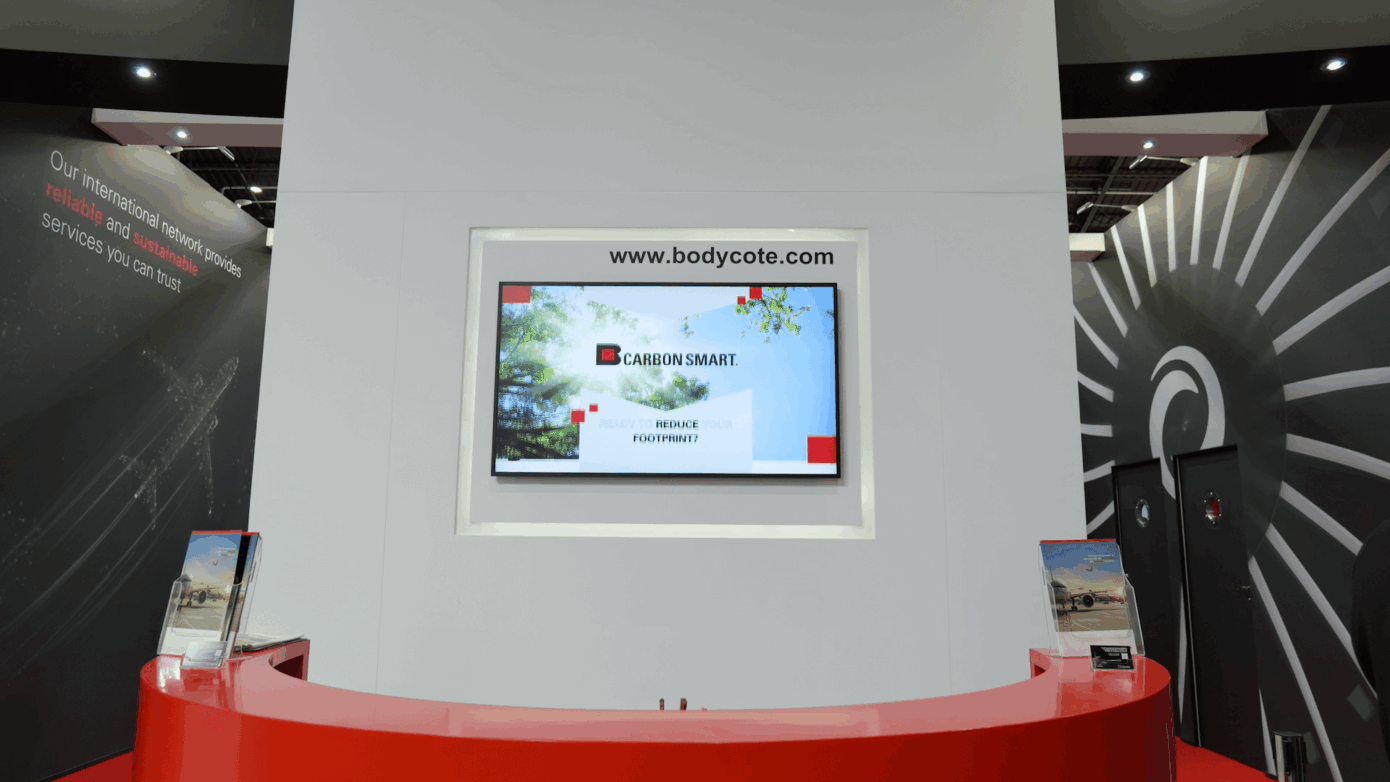
White exhibition stand with red curved counter, large screen showing “Carbon Smart” and “www.bodycote.com”, brochures on counters.

Decarbonising aerospace – The role of thermal processing

Articles Decarbonising aerospace - The role of thermal processing At the Paris Airshow last week, one theme came through loud and clear: sustainability  is no longer a side conversation in aerospace. It is now front and centre. Whether the topic was propulsion systems, materials innovation or advanced manufacturing, sustainability was woven through every part of…

read more
1920 1080 [email protected]
What is the difference between nitriding and Bodycote’s Corr-I-Dur® process?
Rows of glossy black spheres treated with Bodycote's proprietary Corr-I-Dur process.

What is the difference between nitriding and Bodycote’s Corr-I-Dur® process?

  Thanks to the wide range of applications, Nitriding and Nitrocarburising processes are becoming more and more important. In addition to mechanical and technological characteristics, corrosion resistance is of vital importance for the functionality of surfaces. The Corr-I-Dur® process not only enhances wear properties, but also significantly improves the corrosion resistance. Corr-I-Dur® has very little effect on distortion and dimensional changes…

read more
1182 828 jim
  • 1
  • 2