|
change
|CONTACT US

Hot Isostatic Pressing

Powering nuclear’s future with HIP technology
Laser inspection of a PM-HIP capsule (Source: Bodycote)

Powering nuclear’s future with HIP technology

Advanced production techniques such as Hot Isostatic Pressing can help reduce supply chain bottlenecks and unlock new design possibilities in a rapidly-expanding nuclear sector, says Ian Tough, Market Development Manager, BodycoteNuclear power plays a critical role in modern energy networks, providing reliable baseload electricity with zero carbon emissions at the point of source. As global…

read more
650 433 jim
Unlocking the nuclear supply chain with HIP
Three large vertical cylindrical tanks, safety railings, metal enclosure and overhead pipes in a brightly lit factory with white walls.

Unlocking the nuclear supply chain with HIP

As new nuclear build projects face serious supply chain constraints, Hot Isostatic Pressing (HIP) may be the breakthrough manufacturing solution for faster, safer, and at scale components THE CLEAN ENERGY TRANSITION HAS thrust nuclear back into the spotlight. But delivering new reactors on time and within budget remains elusive. One key issue? The manufacturing supply…

read more
1762 1175 jim
How can we ensure 3D printed metal parts are service ready for critical applications?
3D printed metal part with curved, angular surfaces on a build platform inside a printer, surrounded by metallic components.

How can we ensure 3D printed metal parts are service ready for critical applications?

Once a 3D printed metal part is produced, the component is often far from ready to be used for its intended purpose, particularly applications in safety-critical industries with stringent quality standards such as aerospace, medical, energy and automotive. As-built metal parts can contain microstructure defects and material porosity that may be created during the additive…

read more
2560 1709 jim
What is ion implantation?
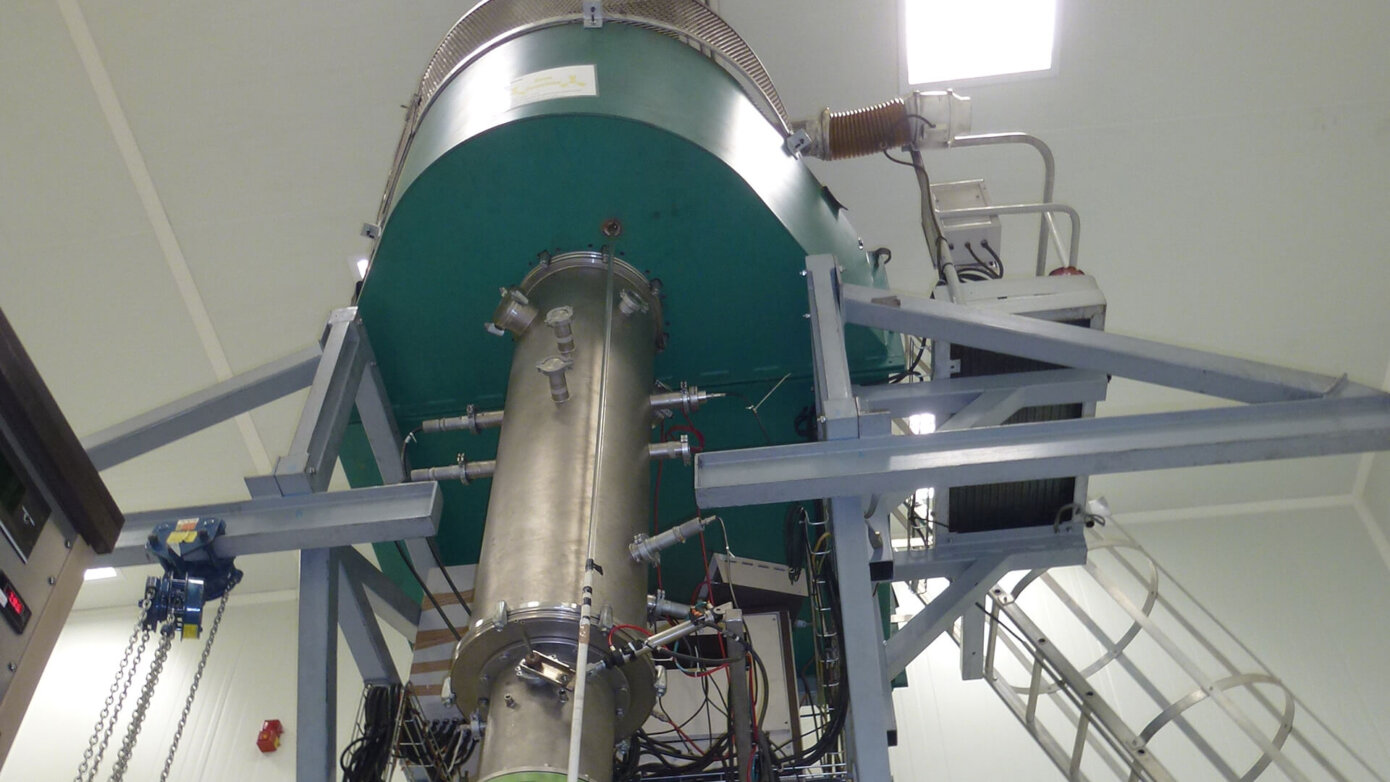
Cylindrical metal heat treatment chamber on sturdy steel frame, viewed from below, with attached wires, pipes and control units.

What is ion implantation?

Historically, the first ion implanter was helium based, constructed and operated in 1911 at Cavendish Laboratory in Cambridge by Ernest Rutherford and his students. In 1949, Shockley filed for a patent, “Semiconductor Translating Device” describing the p-n junction fabrication using ion implantation. In 1954, he filed another patent, “Forming of Semiconductor Devices by Ionic Bombardment”…

read more
1920 1124 jim
Why is there some degree of porosity in most metal alloy castings?
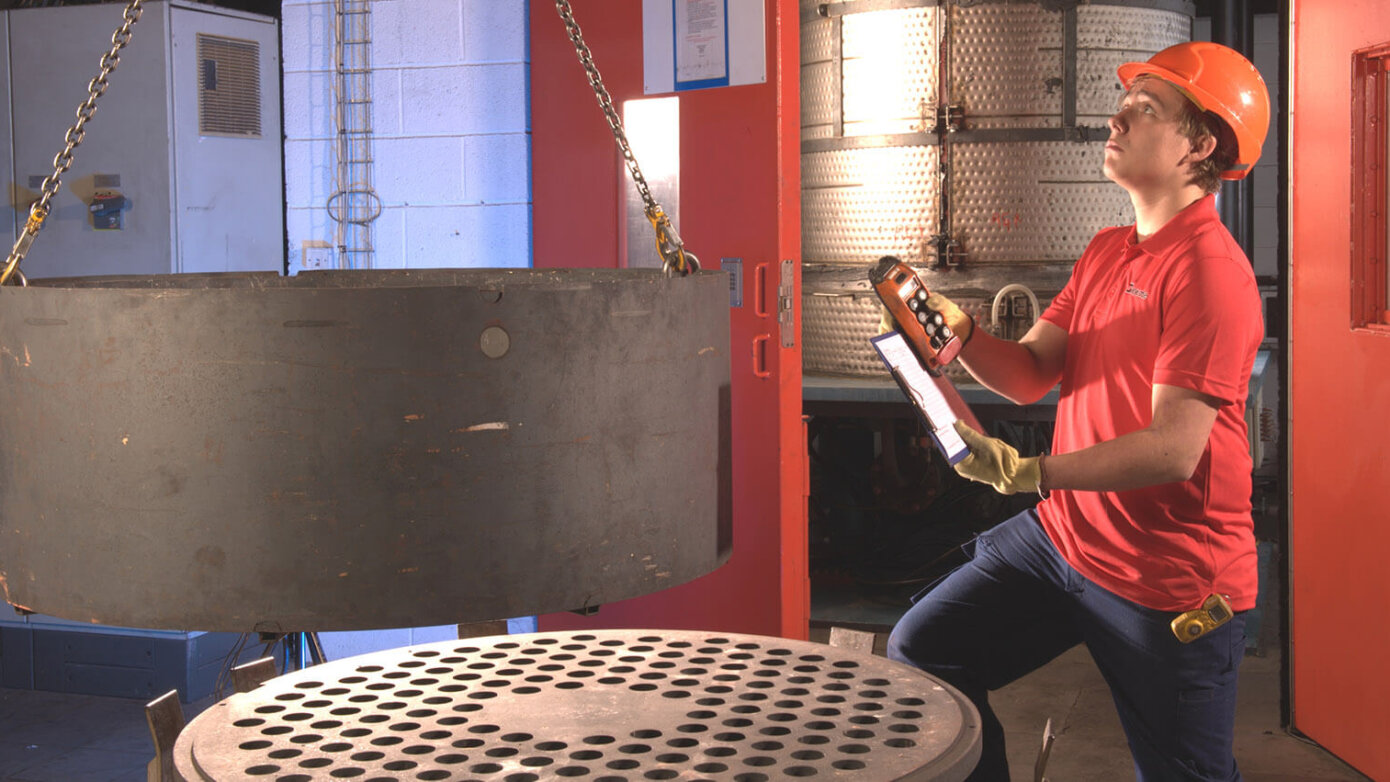
Worker in safety gear uses a hoist to lift a metal alloy part in an industrial facility; clipboard, remote, and red doors visible.

Why is there some degree of porosity in most metal alloy castings?

The process by which molten metal freezes in a shaped casting is a complex process.  The first metal to freeze at the mold’s surface is typically fine grained and dense due to chilling from the mold surface.  As molten metal solidifies, it shrinks.  To If sufficient liquid metal is not delivered to the solidification front, pores will form. …

read more
1920 851 jim