|
change
|CONTACT US

Specialist Technologies

The effects of low temperature carbon diffusion on stainless steel
Water droplets scattered on reflective stainless steel with a cool blue tint, each droplet highlighting fine surface detail.

The effects of low temperature carbon diffusion on stainless steel

Stainless steels along with nickel based alloys are often selected for many applications in corrosive environments. While resistance to corrosion makes them a favourable choice, poor tribological behaviour may prevent a broader use of these materials. The Kolsterising® process is a proven method for the surface hardening of these materials by the diffusion of carbon.…

read more
2362 2496 jim
Enhancing the food and beverage industry with Kolsterising®
Automated machine fills brown glass bottles on a production line with visible pipes, gauges, and metal components.

Enhancing the food and beverage industry with Kolsterising®

Introduction The food and beverage industry requires high-performance materials to withstand the demanding processing conditions and maintain strict hygiene standards. Kolsterising® is a unique surface hardening technology developed by Bodycote, specifically designed to enhance the properties of stainless steel. This article will explore the advantages of Kolsterising® and its application in the food and beverage…

read more
1925 1100 jim
Questions and answers concerning cavitation erosion
Metal surface with circular grooves and wear; two red arrows indicate rough areas marked as cavitation erosion.

Questions and answers concerning cavitation erosion

What is cavitation erosion? Cavitation erosion is an effect of surface deterioration and surface material loss, mostly in hydraulic machinery and the associated components. Pressure differences in high-velocity liquids can cause vapor or gas pockets, which collapse abruptly on the surface of the material due to the pressure change near the surface. These exploding gas…

read more
960 521 jim
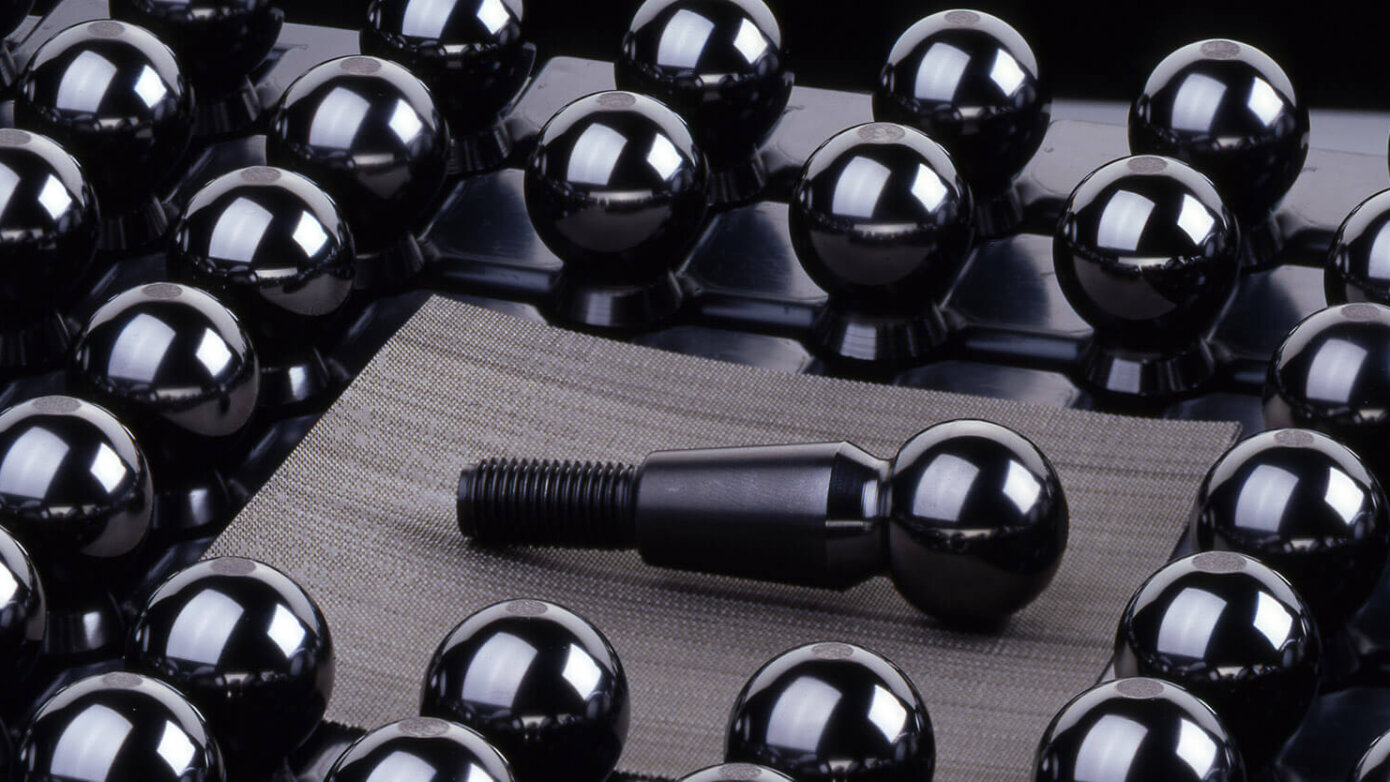
Salt bath nitriding: environmental concerns and sustainable alternatives
Shiny black metal ball bearings on a textured surface encircle a central ball stud with a threaded end, lying flat.

Salt bath nitriding: environmental concerns and sustainable alternatives

Salt bath nitriding has long been a popular surface treatment process in the metalworking industry, primarily used to enhance wear resistance, corrosion protection, fatigue strength and a cosmetic black finish. The process typically involves immersing components in a molten salt bath containing a mixture of alkali cyanides, cyanites, carbonates, and other nitrogenous compounds. This treatment…

read more
1920 834 [email protected]
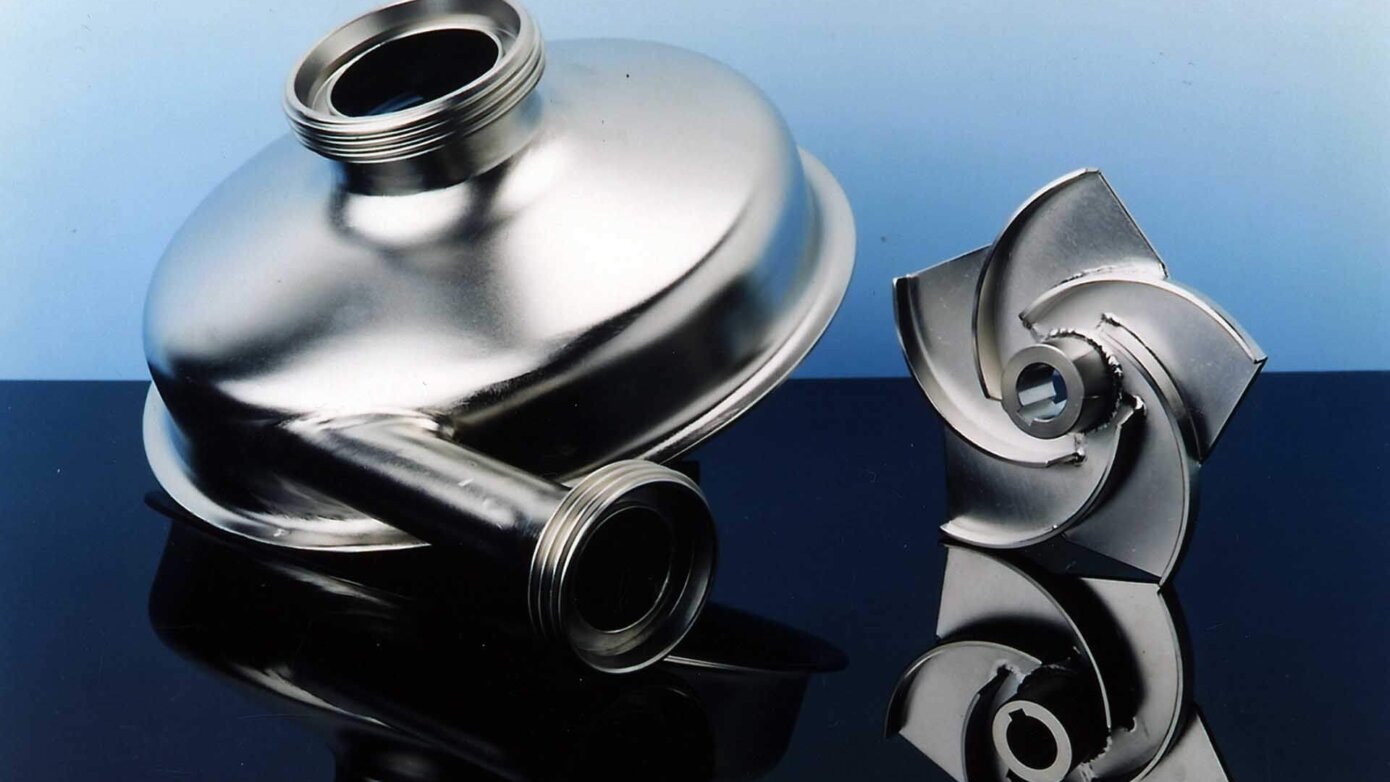
The frequently asked questions of Kolsterising®
Stainless steel pump casing and metal impeller with curved blades treated by Kolsterising on a black reflective surface, blue gradient background.

The frequently asked questions of Kolsterising®

Articles The frequently asked questions of Kolsterising® Kolsterising®, proprietary to Bodycote, is a technology that greatly improves the mechanical properties of corrosion-resistant materials. Some of the more commonly asked questions from our customers are answered below. Conventional heat treatments, such as nitriding or nitrocarburising will negatively impact the corrosion resistant properties of stainless steel alloys. Unlike conventional treatments,…

read more
1920 1429 jim
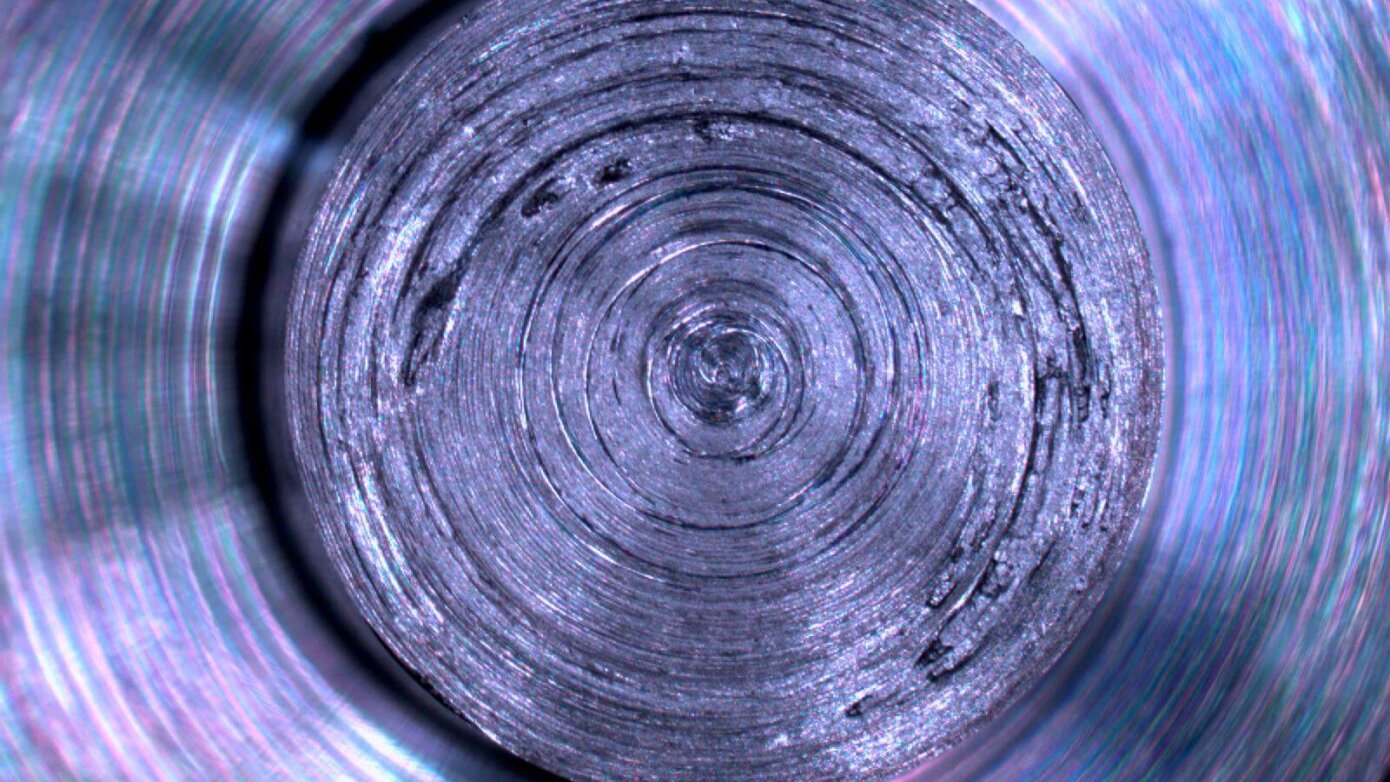
What is galling?
Concentric circular grooves on a metallic part surface, rough texture with bluish and purple iridescence under magnified view.

What is galling?

Galling is a type of mechanical wear caused by a combination of friction and adhesion between sliding surfaces typically under a compressive load.   It is the result of tearing and slipping of the crystal structure at the surface once the protective chromium oxide layer has worn away.  Further mechanical forces cause the material to become…

read more
1600 1200 jim
How does one achieve optimum results with Corr-I-Dur®?
Shiny black metal ball bearings on a textured surface encircle a central ball stud with a threaded end, lying flat.

How does one achieve optimum results with Corr-I-Dur®?

The achievable surface hardness mainly depends on the base material. Alloying elements such as chrome and aluminium lead to higher hardness. The Nitriding depth depends on customer requirements. Also the component’s condition at delivery, i.e. distortion, heat treatment status also affect the layer parameter to be achieved. Dimensional changes can further be positively influenced by…

read more
1920 834 jim